Ransomware attacks on U.S. SMBs have surged in Q2 2026, driven by heightened competition between cybercriminal groups and poor baseline defenses. Incidents are no longer isolated to large firms or specific industries, with healthcare, MSPs, and manufacturing among the hardest hit. The business impact is direct—disrupted operations, lost revenue, and reputational damage—demanding leadership attention.
Rival Gangs Drive Ransomware Surge Into SMB Territory
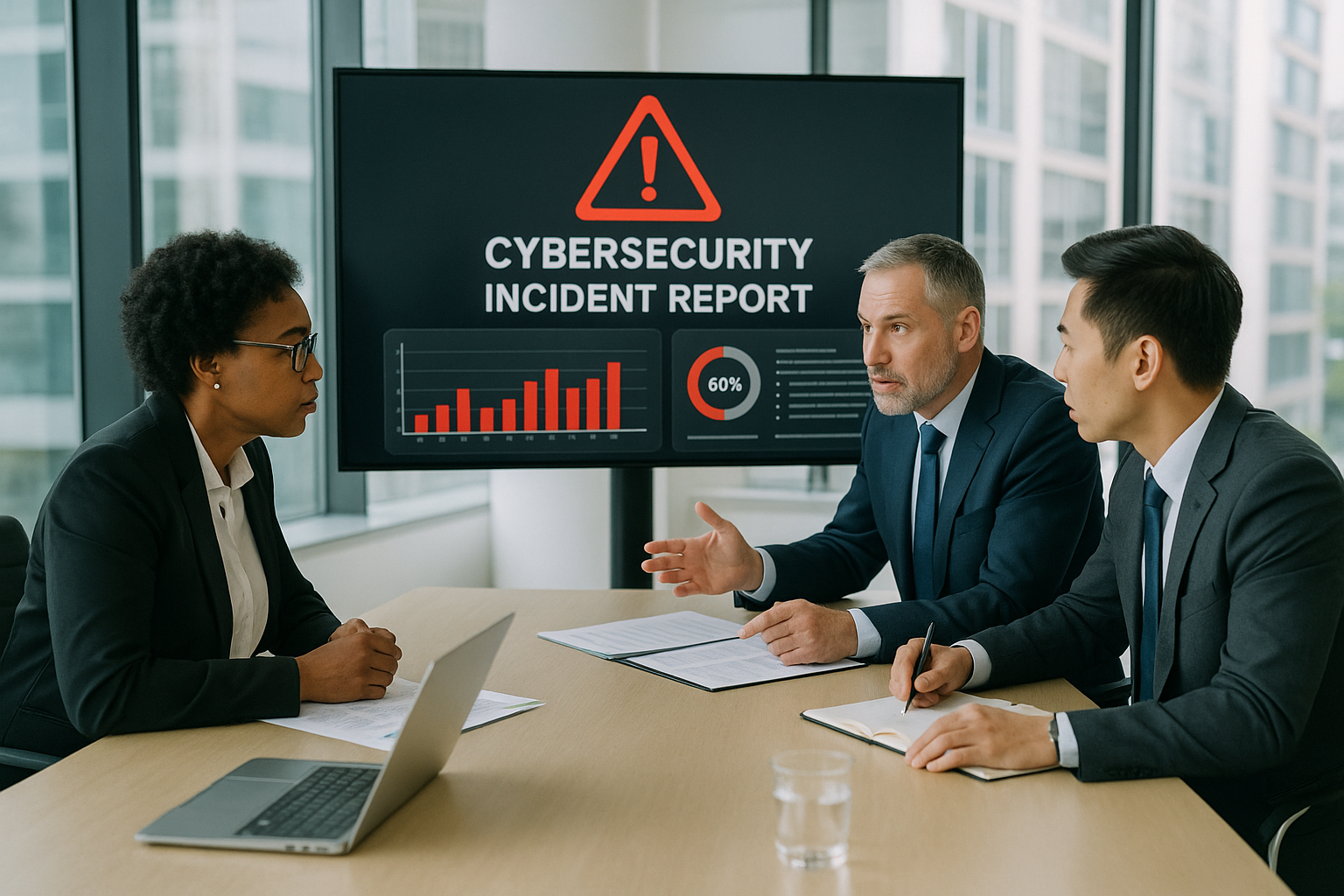
Ransomware attacks are accelerating in both volume and sophistication, hitting U.S. small and mid-sized businesses harder than ever. In the second quarter of 2026 alone, 769 out of 2,581 recorded ransomware attacks worldwide targeted U.S. organizations under 200 employees and $25 million in revenue. Analysts attribute this spike to fierce competition between threat groups such as Qilin and The Gentlemen, which are increasingly targeting SMBs as large enterprises improve their defenses.
For business leaders, this change represents a fundamental shift: smaller organizations are now considered high-value targets by cybercriminals who anticipate less resistance and greater likelihood of ransom payments. Disruptions include encrypted critical files, halted operations, and regulatory scrutiny over compromised customer data. On average, ransomware downtime exceeds six days—a metric that directly correlates to lost revenue and the ripple effect of missed deadlines and broken contracts.
The economic fallout is substantial. According to TechRadar Pro, over 40% of targeted SMBs reported financial losses exceeding $250,000 per incident, not including potential fines or legal fees. Insurance coverage is tightening, with some underwriters now excluding ransomware events from standard policies. This pattern demonstrates the rising ‘tax’ of operating without hardened defenses—whether through direct payouts, response costs, or lost business opportunities.

Healthcare, Manufacturing, and MSPs: Secondary Vectors Highlight Sector Risk
Healthcare providers, including mid-sized hospitals, clinics, and billing firms, saw ransomware attacks climb by 14% in the first half of 2026. Of the 410 events, nearly two-thirds involved direct patient care entities, where disruptions can threaten not just revenue but human life. For business leaders in the sector, regulatory fines for HIPAA violations now regularly top six figures, and breach notification is no longer optional.
The manufacturing industry is also experiencing escalation. It now ranks as the sector second only to technology for ransomware volume. Attacks not only impact production lines but knock-on costs can strain relationships with suppliers and customers who depend on just-in-time delivery. Meanwhile, attacks on managed service providers (MSPs) have multiplied. Groups like Akira and Lynx have compromised over 365 MSPs and their clients in the past year, using trusted IT partners as a backdoor into SMB networks. For organizations relying on MSPs, vendor due diligence and contractual security requirements are now board-level issues.
The Broader Picture: Attack Patterns and Leadership Response
The 2026 incident patterns confirm that cybercriminals are shifting focus from large-scale, headline-grabbing attacks to repeated, opportunistic campaigns against SMBs. The use of known exploits—such as the Fortinet firewall “FortiBleed” breach affecting tens of thousands of firms—shows attackers increasingly rely on exploiting routine lapses: unchanged default credentials, unpatched devices, or lax vendor oversight.
For SMB executives, these trends make clear that organizational resilience is now judged by proactive action, not reactive fixes. Regulators, insurers, and partners expect more: periodic credential audits, formal vendor management programs, and rapid incident response have become minimum standards, not differentiators. Business leadership now directly shapes cyber outcomes by making risk-based investments that safeguard continuity and long-term reputation.
What Business Leaders Should Consider
- Audit access controls and enforce immediate password changes on all network devices, with special attention to default credentials on firewalls and VPNs.
- Require your MSP or IT provider to demonstrate sound cybersecurity practices, including documented incident response and compliance with relevant standards.
- Review business continuity and disaster recovery plans to ensure ransomware scenarios are tested at least quarterly.
- Establish board-level oversight of cybersecurity risk, ensuring risk tolerance and accountability are defined beyond IT departments.
- Allocate budget for cyber insurance and clarify policy exclusions specific to ransomware to avoid uncovered liability.